Astaliaya: A Modern Handwritten Font for Handmade Products
Last weekend I sat down to design a new candle label for my shop. I had the scent nailed down, the wax tested, and the vessel picked. But the label itself felt flat. I had been cycling through the same few script fonts, and everything looked either too rigid or too ornamental. Then I opened Astaliaya for the first time, typed a quick product name, and everything clicked. The letterforms felt alive, natural, and exactly right for the handmade look I wanted. That moment turned into an afternoon of testing Astaliaya across every product label I could open, and I have been reaching for it ever since.
The First Moment That Hooked Me on Astaliaya
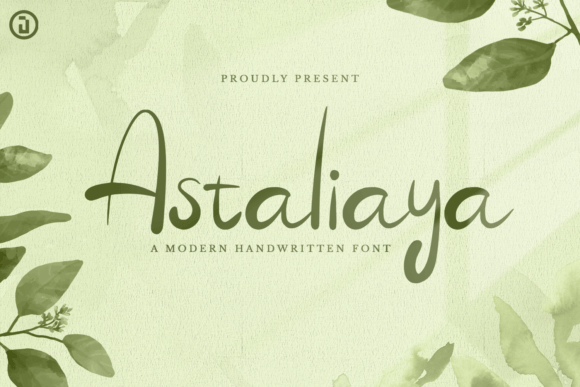
I started with a simple candle label mockup. The product name was short, just two words, and I wanted something that felt warm and personal without being fussy. Astaliaya is classified as a modern handwritten font, and you can see why the moment you look at the glyphs. The strokes flow with a natural rhythm, not too perfect, but deliberate. There is a real hand-drawn quality here that makes any product name feel like it was written just for that item. For the candle label, I used one of the alternate characters for the first letter, and the result looked even better than I had imagined. It felt like the font had been made for that specific project.
That is the thing about Astaliaya. It does not look like a font that was designed in isolation and then applied to products. It looks like it was pulled from the same creative process that goes into making handmade goods. The strokes have a gentle contrast, the curves are smooth, and the overall mood is approachable yet refined. This balance makes it work for so many different types of products, from farmhouse signs to boutique gift tags.
Where Astaliaya Shines in Handmade Products
I have now used Astaliaya across several product categories, and each time it brings something different to the design. On greeting cards, the font turns a simple sentiment into something that looks hand-lettered with care. On wedding invitation mockups, the romantic feel of the script comes through without being overly decorative or difficult to read. The letter spacing and natural flow make it suitable for names, dates, and short phrases, which is exactly what most invitation designs need.
For packaging design, Astaliaya adds a layer of perceived quality that is hard to achieve with standard system fonts. When I tested it on a small batch of product tags for handmade bath salts, the tags suddenly looked like they belonged in a boutique. The font elevated the entire package without requiring expensive printing or embellishment. That is the kind of return you want from a font investment.
I have also used Astaliaya on printable wall art, planner page headers, and digital template previews. The font performs well at larger sizes, which makes it ideal for titles, quotes, and decorative wording. When I tried it on a tote bag design mockup, the handwritten feel translated beautifully to the bag surface. The same was true for a mug design I tested. The font retained its character and warmth even when scaled down for small product labels.
Astaliaya is also a strong choice for seasonal products. I designed a set of holiday gift tags using the font, and the combination of the handwritten style and holiday colors created tags that looked personal and polished at the same time. For Valentine's Day cards, birthday banners, and wedding welcome signs, the font adapts to the mood of the project naturally.
How This Font Elevates Product Presentation and Brand Recognition
When you sell handmade products, every visual detail matters. The font you choose tells customers something about your brand before they read a single word. Astaliaya communicates approachability, craftsmanship, and attention to detail. It is not cold or sterile. It feels like it belongs to a maker who cares about how things look and feel.
Using a consistent script font across your product labels, packaging, and shop graphics builds brand identity. Customers begin to recognize your products by the visual language you use. Astaliaya has enough personality to stand out, but it is also versatile enough to use across different product lines without feeling repetitive. That versatility is valuable when you are designing for multiple categories, from candles to cards to apparel.
The emotional appeal of Astaliaya is genuine. When someone picks up a product with a handwritten-style label, there is a subtle sense of connection. It feels like someone created this specifically for them. That emotional layer can influence how customers perceive the value of your products. A well-designed label with the right font can make a simple bar of soap feel like a luxury item or a plain notebook feel like a thoughtful gift.
Practical Tips for Using Astaliaya with Cutting Machines and Printing
If you use a cutting machine like Cricut or Silhouette, you will find Astaliaya easy to work with for designs like stickers, labels, and vinyl lettering. The font has clean, readable letterforms that cut well without too many tight curves that could cause lifting. I tested it on a small sticker sheet project, and the letters cut cleanly at half an inch tall. For larger vinyl projects like signs or tote bags, the font performs even better, with smooth paths that weed easily.
For printed products like cards and tags, Astaliaya prints clearly at sizes above twelve points. At very small sizes, like tiny ingredient lists on product labels, the handwritten style can become less readable. I recommend using Astaliaya for product names, titles, and decorative phrases, and pairing it with a clean, simple font for any body text or fine print. This approach keeps your design readable while letting the script font shine in the areas where it looks best.
When preparing listing images and mockups for your shop, Astaliaya creates previews that look professional and inviting. The font works well on both light and dark backgrounds, though I have found that it stands out beautifully on neutral tones like kraft paper, cream, and soft gray. If you use drop shadows or foil effects in your mockups, the letterforms handle those treatments well without losing their hand-drawn charm.
Pairing Astaliaya with Other Fonts for Cohesive Design
No single font works for everything, and Astaliaya is best when paired thoughtfully with other typefaces. For product labels, I have had great results pairing it with a clean sans serif font for ingredient lists, weight information, and care instructions. The contrast between the handwritten script and the structured sans serif creates a balanced, professional look that customers trust.
For invitation suites and greeting cards, try pairing Astaliaya with a simple serif font for body text. The serif adds a touch of tradition and readability, while the script carries the emotional weight of the design. If you prefer a more modern look, a lightweight handwritten font or a subtle sans serif can also work well. The key is to let Astaliaya lead the design and use the second font to support it without competing.
For branding projects like logo design or shop signage, Astaliaya can stand alone as the primary display font. In those cases, avoid adding too many other decorative elements. The font itself has enough personality to carry the design.
What to Check Before Using Astaliaya for Commercial Products
Before you start selling products that feature Astaliaya, take a moment to review the included files and licensing. Astaliaya is a premium font, and like all commercial fonts, it comes with specific terms for physical products, templates, printables, and digital downloads. Check whether your license covers the products you plan to sell, whether those are candle labels, greeting cards, mugs, shirts, tote bags, or digital templates. Licensing is straightforward with well-made scripts like this one, but it is always worth confirming before you go to production.
Also look at what is included in the font package. Astaliaya may come with stylistic alternates, ligatures, swashes, or multiple weights. These extras can make your designs feel custom without needing manual adjustments. The alternates are especially useful for avoiding repetitive letterforms in longer phrases or for adding a special touch to the first letter of a product name. Ligatures help certain letter pairs connect naturally, which is important for maintaining the handwritten look.
File format matters too. Most cutting machines and design software work with TrueType or OpenType files. Check that your version of Astaliaya includes the format you need for your workflow. If you plan to sell digital templates or printables, make sure the font is embeddable or that you outline the text as needed.
Multilingual support is another consideration. If your products include text in languages beyond English, check that Astaliaya covers the characters you need. This is especially relevant for wedding invitations, greeting cards, and product labels that may use accented letters or special symbols.
Taking these steps ensures that your products are legally compliant and that the font performs exactly as you expect in your designs. It also protects your shop and your customers from any licensing issues down the road.
Astaliaya has become one of those fonts I reach for when I want a project to feel handmade, professional, and emotionally resonant. Whether I am designing candle labels, wedding invitations, seasonal tags, or packaging for a new product line, this modern handwritten font delivers the warmth and quality that my customers respond to. If you are a maker looking for a script font that brings your products to life, start with a simple label mockup and see where it takes you. For me, that first label led to a whole collection of designs that finally felt right.